



What Is Pace? Understanding Running Pace and How to Manage Your Speed for Better Performance
For runners looking to improve their performance, focusing solely on running speed may not be enough. Understanding how to control your rhythm, manage your energy, and maintain a speed suitable for your physical condition is equally important.
It all starts with understanding what pace is. Running pace is an essential indicator that helps you determine whether you are running too fast, too slowly, or exerting too much effort during each kilometer.
In this article, Active Peak introduces the meaning of running pace, how to calculate it, and practical tips for choosing the right pace. Whether you are a beginner looking to train with confidence or an experienced runner aiming to improve your speed, this guide will help you work toward your running goals.
Key Takeaways
- Pace measures the time required to run one kilometer, helping runners control their speed appropriately.
- Understanding running pace helps runners plan their training and select a suitable speed based on their goals.
- Beginner runners should start with a manageable pace before gradually increasing their speed.
- Monitoring pace alongside heart rate, GPS data, and physical readiness can help improve training efficiency.
What Is Pace and Why Is It Important for Runners?
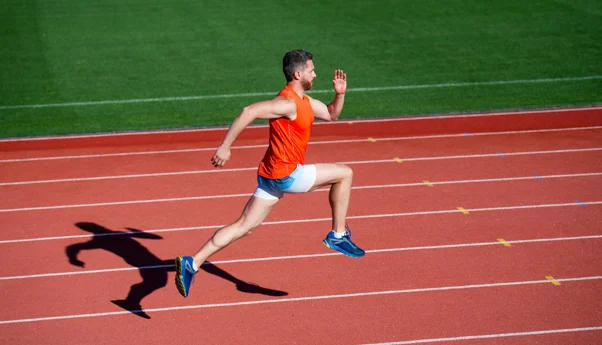
Pace is a fundamental running metric that helps runners maintain a suitable speed, manage their energy effectively, and reduce the likelihood of exhaustion before reaching their goals.
Running pace refers to the amount of time required to run one kilometer. It is commonly expressed in minutes per kilometer (min/km). For example, Pace 5 means it takes five minutes to complete one kilometer.
Examples of How to Read Running Pace
- Pace 5: Running one kilometer in five minutes. This is a relatively fast pace suitable for runners with an established fitness foundation.
- Pace 6: Running one kilometer in six minutes. This is a moderate pace commonly used by many runners during training.
- Pace 7: Running one kilometer in seven minutes. This pace is suitable for general running and endurance-building exercises.
Simply put, running pace is a numerical indicator that helps runners assess their abilities and select an appropriate speed for their running distance. It is especially important for long-distance events such as marathons, where maintaining a consistent speed throughout the race is essential.
How to Calculate and Understand Running Pace for Beginners
Calculating running pace helps runners understand their rhythm, manage their energy more accurately, and plan an appropriate speed for their chosen distance. This allows runners to maintain consistent performance and move closer to their goals.
Here is the basic running pace formula and how beginners can use it.
Running Pace Formula
- Pace = Total Running Time ÷ Total Running Distance
For Example
If you run a distance of 5 kilometers in 30 minutes:
- 30 ÷ 5 = 6. Your running pace is Pace 6, meaning it takes six minutes to run one kilometer.
In addition, running pace should be considered alongside other factors, including distance, terrain, and heart rate. Your physical condition may vary from day to day, making it more important to maintain an appropriate pace than to focus solely on increasing speed.
What Is a Good Running Pace for Beginners? Choosing the Right Speed for Your Body
For those who are new to running, there is no need to focus on increasing speed immediately. Instead, beginners should choose a pace that feels comfortable and manageable.
A possible starting point is Pace 7–10, or approximately 7–10 minutes per kilometer. This range may help beginner runners control their breathing while gradually developing endurance.
As your body adapts and your endurance improves, you can gradually increase your running speed according to your fitness level and personal goals.
“Running Tip from Active Peak: Before increasing your running speed, beginners should perform warm-up exercises to activate their muscles, improve movement control, and reduce the risk of injury while running.”
Types of Running Pace Every Runner Should Know
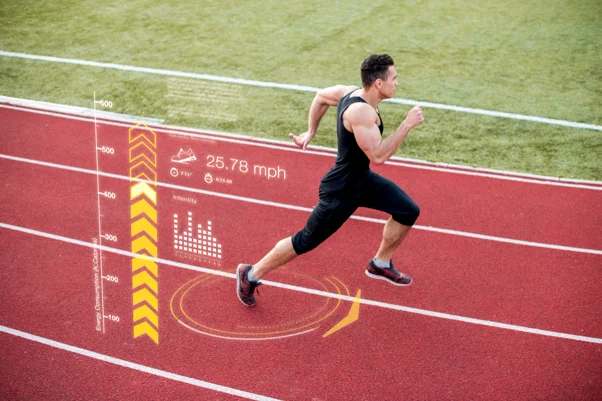
Achieving better running performance is not simply about running faster. Runners should understand which type of pace is appropriate for each stage of training.
Different running paces serve different purposes, including building endurance, improving speed, and preparing the body for competition. Here are the main types of running pace every runner should know.
Easy Pace
Easy Pace refers to a comfortable running speed that focuses on building a strong fitness foundation and improving endurance. At this pace, runners should still be able to control their breathing and comfortably carry on a conversation.
This type of pace is suitable for recovery days or training sessions focused on increasing mileage without excessive intensity.
For beginners, Easy Pace is an excellent starting point because it allows the body to gradually adapt, makes breathing easier to control, and helps develop confidence in running continuously.
Threshold Pace
Threshold Pace refers to a more challenging running intensity than regular easy running. It is a speed that runners can maintain continuously for a certain period while their bodies work harder but remain in control.
Training at Threshold Pace helps develop speed endurance, allowing runners to maintain faster speeds for longer periods. It is particularly suitable for athletes looking to improve their competitive performance.
Race Pace
Race Pace is the target running pace that athletes aim to maintain during an actual competition. This may include setting a specific pace for a 5K, 10K, or marathon race.
For runners practicing Race Pace or preparing for long-distance competitions, planning energy replenishment throughout the race is another important consideration.
Products such as Energy Gel can help provide energy during running, supporting physical performance and helping runners maintain their rhythm and work toward their race goals with greater confidence.
What Factors Affect Running Pace? Understanding How to Control Your Speed
Although running pace indicates the speed maintained during each kilometer, it can vary depending on several factors, including physical condition, terrain, and weather.
- Physical Condition: Your physical readiness directly affects running speed. Insufficient sleep, fatigue, or incomplete recovery may slow you down and make it more difficult to maintain your usual pace.
- Running Terrain: Different running routes can significantly affect pace. Trail running, for example, takes place on natural terrain with varying surfaces and elevations, making running speed more difficult to maintain consistently.
- Weather Conditions: Temperature, humidity, sunlight, and rain can all influence running performance. Hot weather, in particular, may increase physical demands and result in a slower running pace.
- Running Equipment: Running shoes, sportswear, and fitness tracking devices such as smartwatches and GPS devices can help runners monitor their performance more accurately, analyze running pace, and adjust their training appropriately.
Therefore, running pace should not be evaluated solely as a number. It should also be considered alongside your physical condition, running terrain, and personal fitness goals to improve rhythm control, energy management, and overall running efficiency.
How to Improve Your Running Pace and Build Better Running Performance

Runners looking to improve their rhythm, manage their energy, and maintain a more consistent speed can incorporate the following training methods into their running routines.
- Interval Training: This training method alternates periods of fast running with recovery periods or light jogging. It helps the body adapt to higher running speeds and improves the ability to control speed during exercise.
- Tempo Run: This involves running at a consistent speed that is more challenging than a regular easy run. It helps develop endurance and allows runners to maintain a faster pace for longer periods.
- Long Slow Run: Running longer distances at a comfortable speed helps build endurance and improve the body’s ability to utilize energy efficiently, preparing runners for long-distance events.
However, in addition to consistent running practice, improving overall physical strength is another important factor in developing better pace control.
Strength training, flexibility exercises, and functional training activities such as CrossFit can help improve overall physical conditioning and support running performance.
Running Pace to Speed Conversion Table (km/h): A Simple Guide for Planning Your Runs
Comparing running pace with speed in kilometers per hour (km/h) helps runners better understand their running speed, manage their energy, and maintain a suitable rhythm based on their fitness goals.
Active Peak has prepared the following running pace conversion table to make understanding and planning your running speed easier.
| Pace (min/km) | Speed (km/h) |
| Pace 4 | 15 km/h |
| Pace 5 | 12 km/h |
| Pace 6 | 10 km/h |
| Pace 7 | Approximately 8.6 km/h |
| Pace 8 | Approximately 7.5 km/h |
| Pace 9 | Approximately 6.7 km/h |
| Pace 10 | 6 km/h |
Understand Running Pace, Improve Your Performance, and Manage Your Speed with Active Peak
Understanding running pace helps runners control their rhythm, manage their energy, and maintain a speed suitable for their physical condition.
Pace is more than just a number displayed on a smartwatch. It is an important performance indicator that helps runners determine how fast or slow they should run during different stages of training. This information can be used to develop more effective training plans and move closer to personal fitness goals.
For runners looking to stay prepared throughout every running journey, Active Peak offers sports nutrition products specially designed for athletes.
These include Energy Gel, providing up to 31 grams of carbohydrates, Salt Pro electrolyte tablets to replenish electrolytes lost through sweat and support electrolyte balance, and GoFlex, a sports drink for athletes concerned about muscle cramps.
With proper preparation and nutritional support, you can run with greater confidence, pursue your personal goals, and work toward reaching the finish line in every race.
Explore our products at Active Peak or contact us for more information via LINE: @ActivePeak.
Frequently Asked Questions About Running Pace
5K Pace refers to the average running pace maintained over a distance of five kilometers. Runners can use this metric to plan their training sessions and establish competition goals, such as selecting an appropriate pace to maintain a consistent speed throughout the race.
Fat loss does not depend solely on running pace. It also depends on exercise consistency, duration, and intensity. Generally, low- to moderate-intensity running, such as Easy Pace, is recommended for sustained physical activity and continuous energy expenditure.