


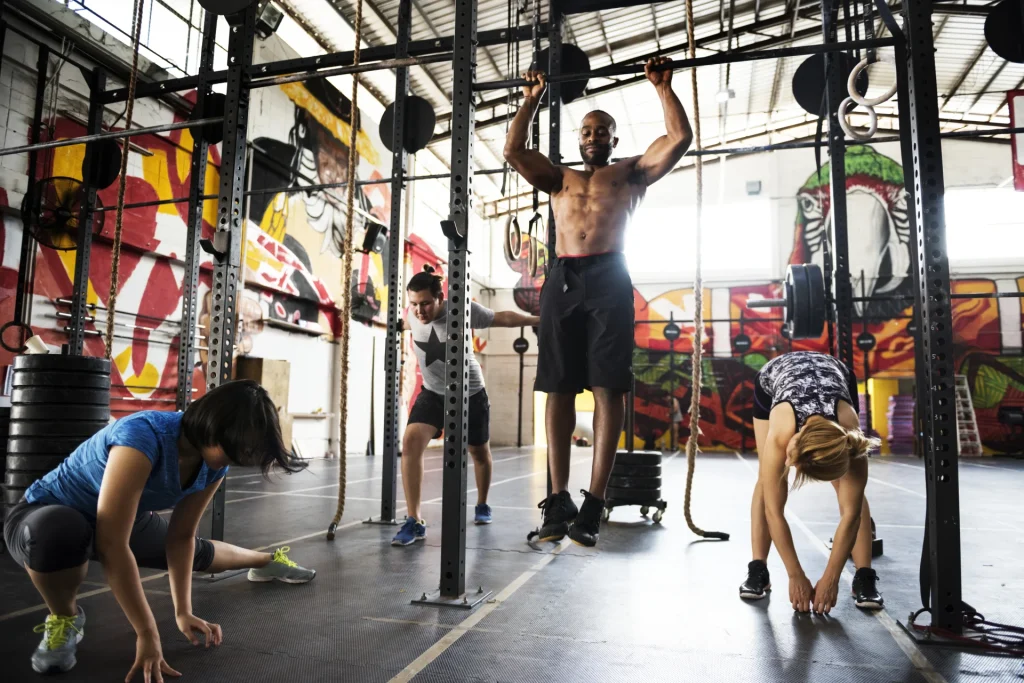
You may have seen CrossFit on social media or at the gym, where a single class can include weightlifting, running, jumping, and a variety of movements. This may leave you wondering: What is CrossFit? How is it different from regular exercise, and why has it become so popular around the world? In this article, we’ll introduce you to CrossFit, explain how the training works, highlight its key benefits, and share how to get started along with important tips for beginners who want to try Functional Fitness.
Key Takeaways
- CrossFit is a form of Functional Fitness that focuses on movements similar to everyday activities, combining exercises such as lifting, pulling, pushing, running, jumping, and squatting.
- WOD stands for Workout of the Day, a training program that changes daily to help improve multiple areas of physical fitness.
- Beginners should start with foundation classes, choose scaled movements that match their fitness level, and focus on proper technique before increasing intensity or weight.
What Is CrossFit and How Did It Begin?
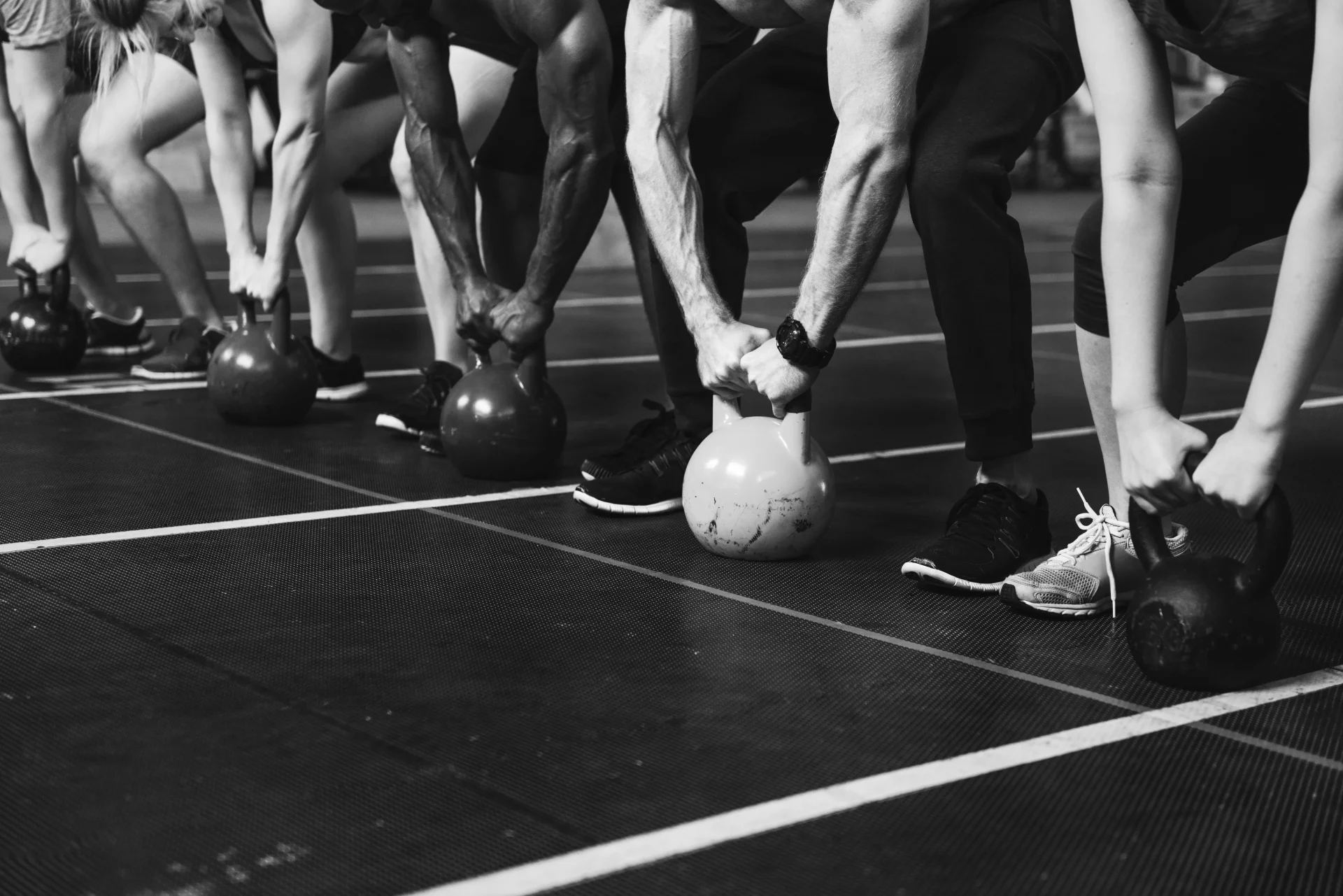
CrossFit (Constantly Varied Functional Movements at High Intensity), commonly known simply as CrossFit, is a form of Functional Fitness that combines several types of training, including weight training, cardio, HIIT, and gymnastics skills, into a single workout program. CrossFit focuses on movements that engage multiple muscle groups at the same time, helping improve overall strength, endurance, mobility, and physical performance for everyday life.
CrossFit was founded in 2000 by Greg Glassman and Lauren Jenai in California, United States. It was developed around the concept of “Forging Elite Fitness,” which focuses on building well-rounded physical fitness through practical Functional Movements that can be applied to everyday activities. CrossFit later grew into a widely recognized fitness training method practiced around the world.
What Does CrossFit Consist Of?
CrossFit combines several types of training to improve strength, endurance, mobility, and overall physical performance. Its three core principles include the following:
Constantly Varied
Constantly Varied means regularly changing the workout instead of repeating the same program every day. Training may alternate between weightlifting, cardio, bodyweight exercises, and gymnastics. This helps keep workouts engaging while challenging different areas of physical fitness.
Functional Movements
Functional Movements are exercises based on movements commonly used in everyday life, such as lifting, pushing, pulling, standing up, squatting, and jumping. These movements help improve strength, balance, coordination, and overall body control.
High Intensity
High Intensity refers to exercising at a challenging intensity that is adjusted according to each person’s fitness level. The training approach is similar to HIIT, with the difficulty gradually increased as the body becomes stronger and more capable. This can effectively improve strength, cardiovascular fitness, and overall conditioning.
What Types of Training Are Included in CrossFit?
In addition to its core principles, CrossFit combines several types of training within one program to help develop the body in a balanced way rather than focusing on only one aspect of fitness.
Strength & Weightlifting
This type of training focuses on building muscular strength and power through exercises such as Squats, Deadlifts, Presses, Cleans, and Snatches. These movements require proper technique, coordination, and body control.
For CrossFit beginners, it is recommended to start with lighter weights and focus on learning the correct form before gradually increasing the load under the guidance of a coach. This can help reduce the risk of injury.
Metabolic Conditioning
Metabolic Conditioning, also known as MetCon, is designed to improve endurance and cardiovascular capacity. It may include running, rowing, skipping rope, cycling, or performing a series of exercises continuously within a short period of time, similar to HIIT.
This type of training helps improve heart and lung function while increasing energy expenditure. It is suitable for those who want to improve overall fitness and physical endurance.
Gymnastics & Bodyweight
This type of training uses body weight as resistance and may include exercises such as Pull-ups, Push-ups, Handstands, Toes-to-Bar, and Muscle-ups. The focus is on body control, balance, coordination, and core strength.
Gymnastics movements in CrossFit can also be scaled to suit different fitness levels. Beginners may start with easier variations, use assistance equipment, or perform fewer repetitions. This means CrossFit is not limited only to people who are already highly fit or strong.
What Is a CrossFit WOD and What Are the Different Types?
WOD stands for Workout of the Day, which is the daily workout program used in CrossFit. The workout format can vary from day to day, such as completing as many rounds as possible or finishing a set workout as quickly as possible. This variety helps keep CrossFit workouts engaging while making it easier to track personal progress over time. There are several common types of WODs, including:
- AMRAP (As Many Rounds As Possible) is a workout format where you complete as many rounds or repetitions as possible within a set period of time. It is designed to challenge endurance, speed, and work capacity. For example, you might perform Burpees, Squats, and Sit-ups for as many rounds as possible within 12 minutes.
- EMOM (Every Minute On the Minute) is a workout format where a specific exercise or number of repetitions is performed at the start of every minute. It helps develop pacing, time management, consistency, and training discipline.
- For Time involves completing a set workout as quickly as possible while maintaining proper technique and form. This format helps improve speed, endurance, and strength. For example, you may complete three rounds of Running, Pull-ups, and Squats while recording the total time taken.
What Are Some Popular CrossFit Exercises for Beginners?
CrossFit beginners do not need to start with difficult movements or heavy weights. Many exercises can be scaled to match each person’s fitness level and experience. Some popular CrossFit exercises for beginners include:
- Air Squat – A bodyweight squat that helps strengthen the legs, glutes, and core.
- Push-up – Helps strengthen the chest, shoulders, arms, and core.
- Burpee – A full-body movement that combines squatting, a push-up position, and jumping. It helps improve endurance and increase energy expenditure.
- Kettlebell Swing – A kettlebell movement that develops the hips, back, legs, and explosive power.
- Box Step-up / Box Jump – Exercises that help strengthen the legs while improving agility, balance, and coordination.
- Wall Ball – A full-body exercise that develops leg strength, shoulder strength, coordination, and cardiovascular endurance.
- Rowing – A cardiovascular exercise performed on a rowing machine that engages multiple muscle groups at the same time.
What Are the Benefits of CrossFit?
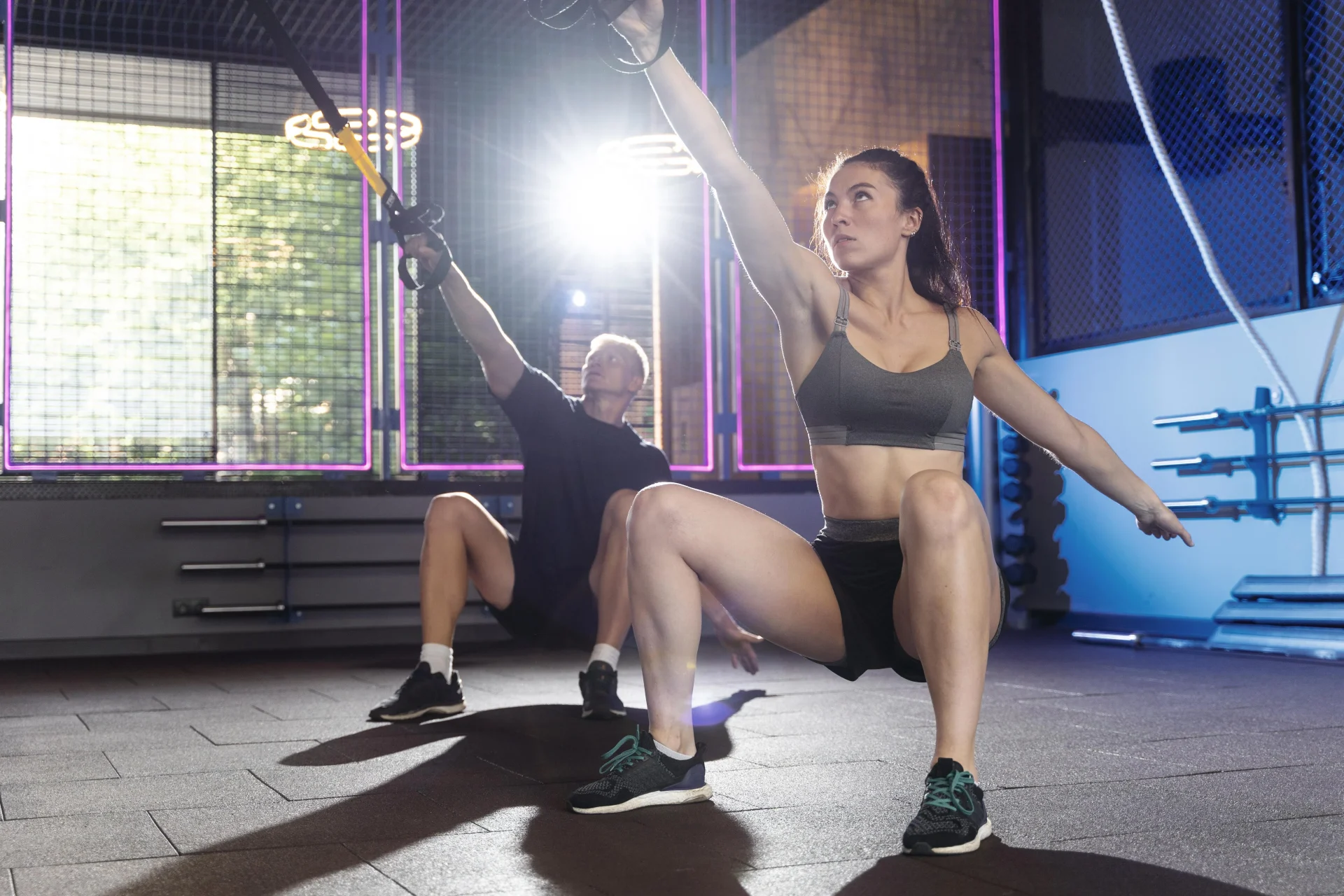
CrossFit offers a wide range of physical benefits because it helps improve strength, endurance, calorie expenditure, mobility, and overall fitness. Some of the key benefits include:
- Improves muscular strength through weight training and movements that engage multiple muscle groups at the same time.
- Supports cardiovascular fitness through cardio and MetCon workouts that help the heart and lungs perform more efficiently during continuous activity.
- Improves flexibility and mobility because many movements require a good range of motion in the joints and muscles.
- Helps increase calorie expenditure due to the high-intensity nature of the workouts and the use of multiple muscle groups.
- Builds discipline and motivation because progress can be measured and tracked clearly over time.
- Creates a supportive fitness community as the atmosphere in a CrossFit gym often encourages members to cheer each other on and push one another, making workouts more enjoyable and motivating.
Who Is CrossFit Suitable For and Who Should Be Cautious?
CrossFit is a scalable form of exercise, so it is not only suitable for athletes or people who are already highly fit. However, some individuals should begin more carefully to make sure the training is appropriate for their physical condition. CrossFit may be suitable for people who:
- Want to improve strength and overall fitness across different areas of the body.
- Prefer a workout program with a wide variety of exercises that can change from day to day.
- Want to develop weight training, cardiovascular fitness, and movement skills within the same class.
- Have sports-related goals, such as improving performance for running, trail running, triathlon, or HYROX.
However, CrossFit can be physically demanding, so it may not be suitable for individuals with chronic injuries, cardiovascular or circulatory conditions, or those who have never exercised before, as the intensity may increase the risk of injury.
How Should Beginners Start CrossFit with Confidence?
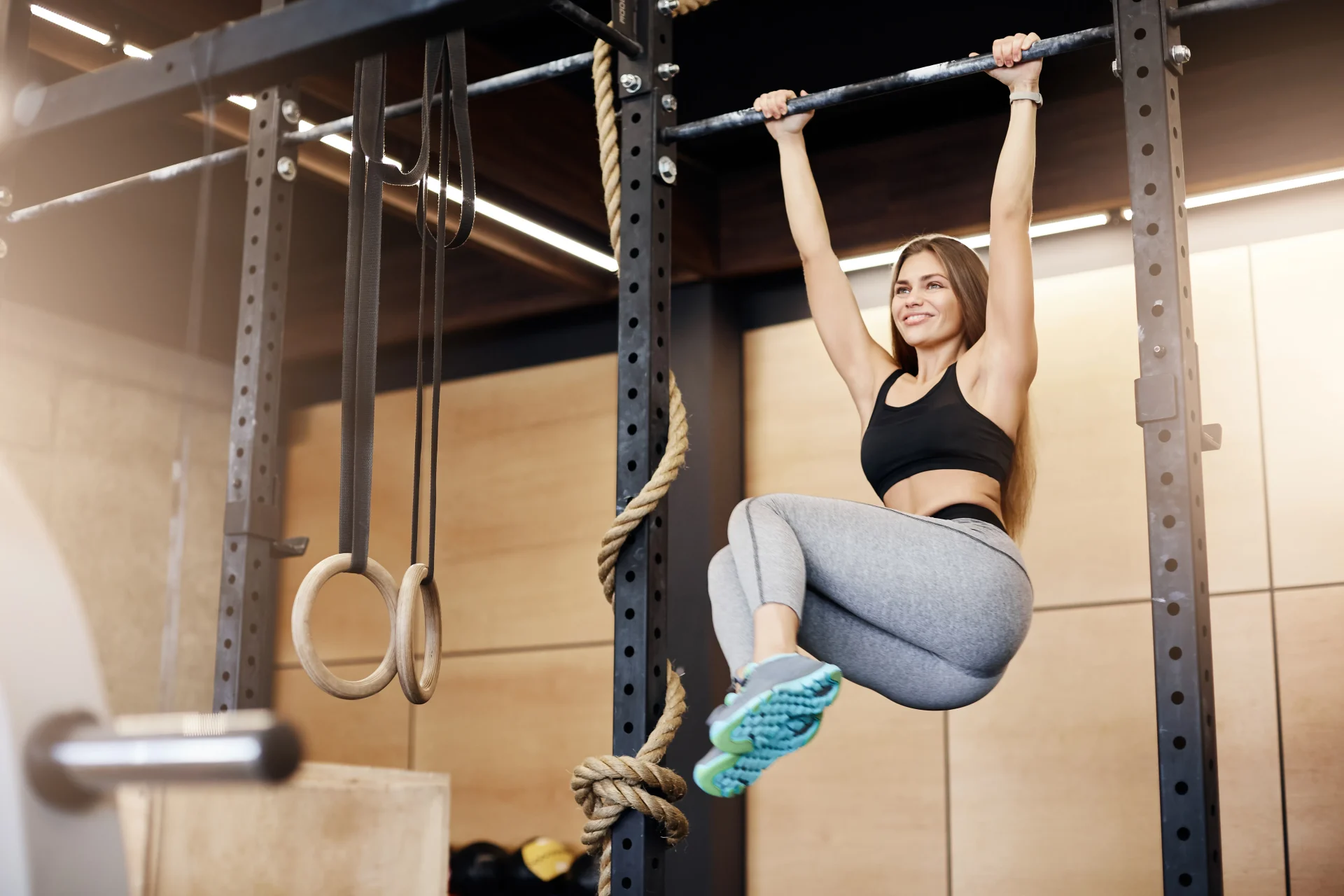
You do not need to wait until you are already fit before starting CrossFit. The key is to begin at a level that suits your current physical condition and gradually increase the challenge as your foundation improves. For CrossFit beginners, the following steps are recommended:
- Find a CrossFit Box or CrossFit Gym near you where you can access the proper equipment and receive guidance from experienced coaches who can help teach and modify basic movements. Choosing a convenient location can also make it easier to stay consistent with your training.
- Start with a Foundations Class which is a beginner-level class that teaches fundamental movements such as Squats, Deadlifts, Presses, Pull-ups, and Kettlebell exercises. This helps you become more familiar with CrossFit before joining regular workouts.
- Scale the difficulty to match your fitness level by reducing the weight, lowering the number of repetitions, or using resistance bands if you are not yet able to perform a Pull-up. Scaling allows you to train consistently without pushing your body too far.
- Always warm up before training and cool down after exercise to help reduce the risk of CrossFit-related injuries. It is also important to drink enough water to replace fluids lost during training.
- Fuel your workout with energy gels or electrolyte tablets when appropriate to help support energy levels and fluid balance during training, especially since CrossFit can be a highly demanding form of exercise.
CrossFit Safety Tips and Injury Prevention
Although CrossFit can improve many aspects of physical fitness, its high-intensity nature means that proper technique, adequate recovery, and regular awareness of your physical condition are especially important.
- Do not increase the weight too quickly and focus on proper form before adding heavier loads. High-force movements performed with incorrect technique can place additional stress on the body and increase the risk of injury.
- Warm up before every CrossFit workout to prepare your muscles, joints, and cardiovascular system before moving into a more intense WOD.
- Choose scaled movements when you are not ready for the full version especially if you are not yet able to perform movements such as Pull-ups, Handstands, or certain gymnastics exercises. Use an appropriate variation that matches your current ability.
- Listen to your body and stop exercising if you experience unusual pain, dizziness, chest tightness, or excessive fatigue. Inform your coach immediately if any of these symptoms occur.
- Get enough rest and recovery because training hard every day without rest can prevent the body from recovering properly and may lead to chronic fatigue. To support muscle recovery, aim for at least 1–2 rest days per week.
- Replace fluids and electrolytes appropriately especially during classes where you sweat heavily. For some people, water alone may not be enough, so electrolyte replacement may help support hydration and exercise performance.
Push Your CrossFit Training Further with Active Peak
CrossFit is a form of exercise that combines Functional Fitness with weight training, cardio, and high-intensity workouts similar to HIIT. It is designed to improve strength, endurance, and overall physical performance. Beginners should focus on learning the fundamentals correctly, adjusting the intensity to suit their current fitness level, and gradually increasing the challenge to support sustainable long-term progress.
Looking for extra energy for your CrossFit workouts? Active Peak offers energy gels, electrolyte tablets, and performance-support products designed for athletes and fitness enthusiasts. They can help you stay prepared for every training session, competition, and fitness goal.
Shop now at Active Peak or contact us for more information via Line: @ActivePeak